

The Creator in You
Why Humans are Wired to Create

Creativity is a natural human instinct. You weren’t just made to consume. You were designed to imagine, create, and solve.
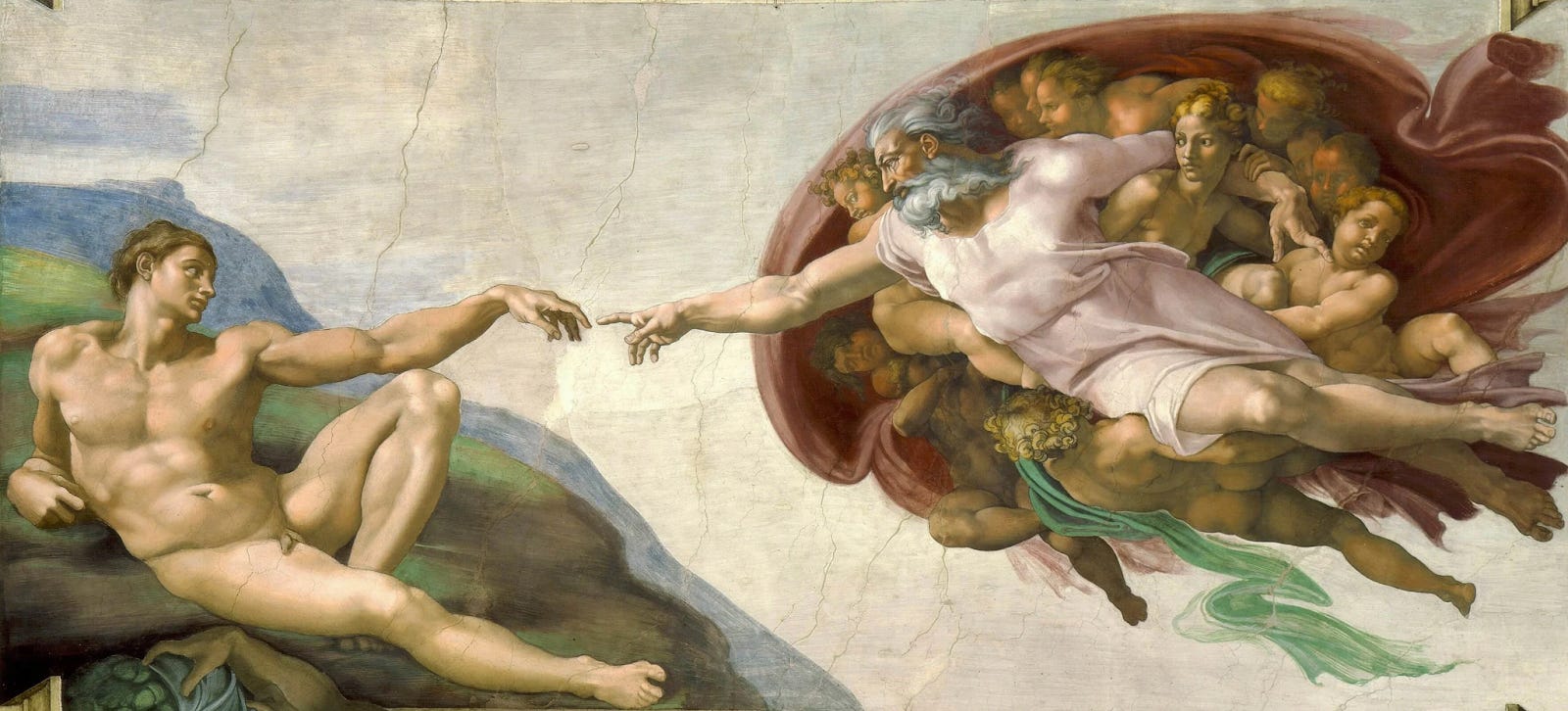
While listening to a podcast by Myron Golden, he said something that intrigued me: we were created to create. It was a thought I had never considered before.
Scripture tells us that we were made “in the image and likeness of God” (Genesis 1:27). In the opening pages of the Bible, the very first thing revealed about God’s nature is that He is a Creator, bringing the heavens and the earth into existence. Before anything else about Him is known, we encounter His creative power.
So I thought, if we truly bear His image, then it follows that creativity is not accidental to a few individuals. That it is woven deeply into the DNA of every human being who walks the earth. Maybe, in some profound way, our impulse to imagine, build, shape, and bring new things into the world reflects the Creator whose likeness we carry within us.
In this post, we will explore our innate creativity and its various expressions since the dawn of time.
Let’s begin by tracing how the concept of “creativity” has changed throughout history as societies and human conditions evolved.
Creativity and the Divine
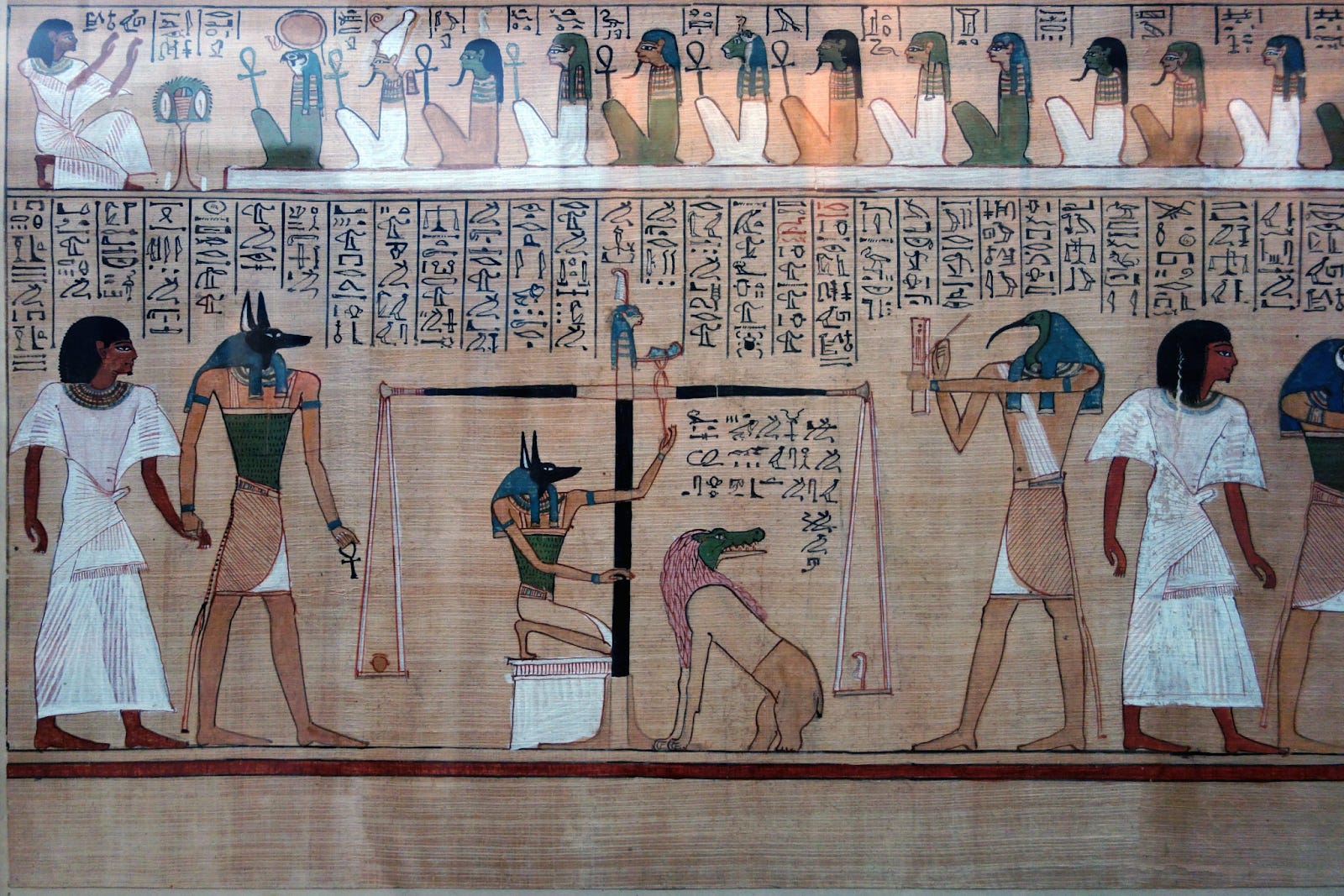
In Ancient Greece, creativity was seen as a divine gift that flowed through human vessels from the gods rather than purely personal ability. The Greeks were influenced by the Muses (i.e., divine figures of art, music, and storytelling), whose inspiration spilled over to their literature, arts, and architecture. Poets, for example, would invoke the Muses to pen verses that eventually endured as timeless classics.
In their pursuit of the divine, the Greeks prized proportion, harmony, and perfection. This quest for balance and beauty is evident across Greek mythology, poetry, theater, literature, philosophy, as well as in temples, idealized sculptures, and paintings.
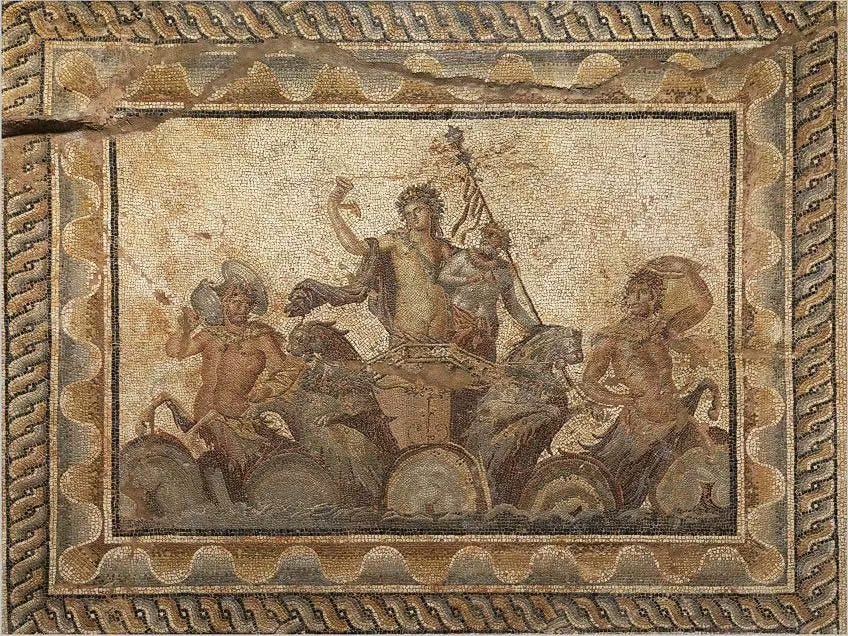
Although heavily influenced by the Greeks, Ancient Rome viewed creativity simply as a practical tool for expressing culture, building infrastructure, and improving the way of life. Unlike the Greeks, who often pursued abstract ideals of beauty and harmony, the Romans applied creativity with function in mind. This pragmatic approach is evident in innovations such as concrete, arch, aqueducts, and monumental structures like the Pantheon and the Colosseum, which showcased human ingenuity and engineering prowess.
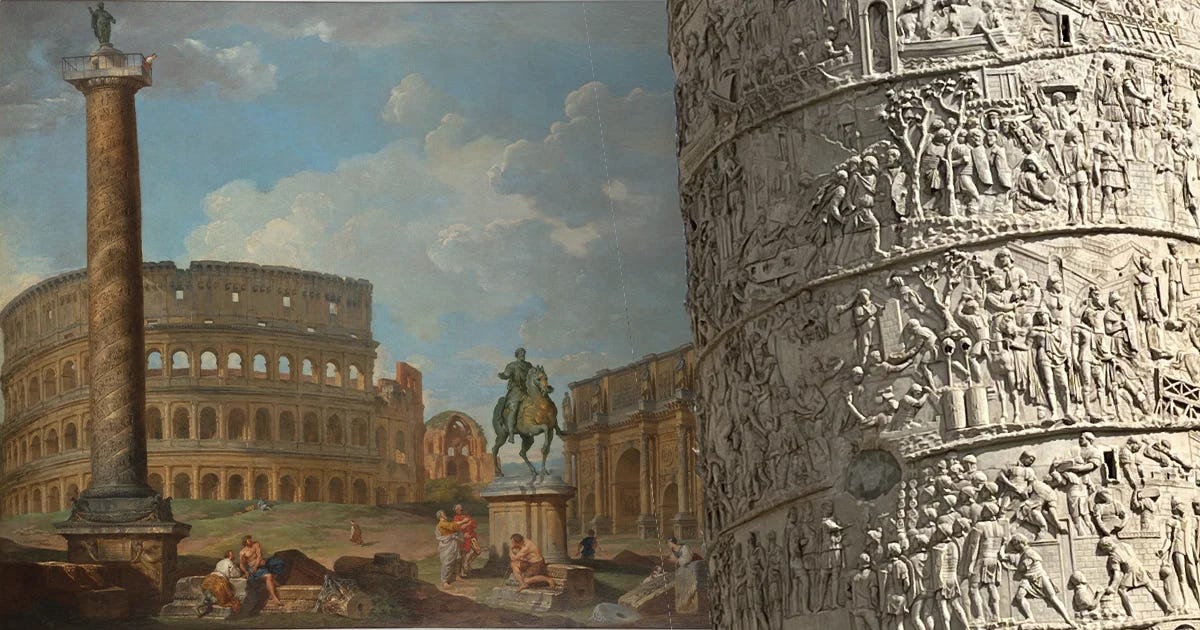
Much like Ancient Greece, Ancient Egypt saw creativity as part of the cosmic order. Art was not meant to be consumed by the public but was created to serve gods or the deceased, acting as their focus during rituals. Reliefs and statues, for example, were often placed in niches or integrated into temples and tombs, their orientation and placement highlighting their sacred and functional role.
Egyptian art, literature, and architecture prioritized balance, perfect proportions, and continuity instead of individual style. Creativity was a sacred art used to honor the gods and guide the souls in their journey to the afterlife. The hieroglyphs, temple art, and the Great Pyramid of Giza stand as perennial testaments to the transcendent power of human creativity.

Creativity and the Genius
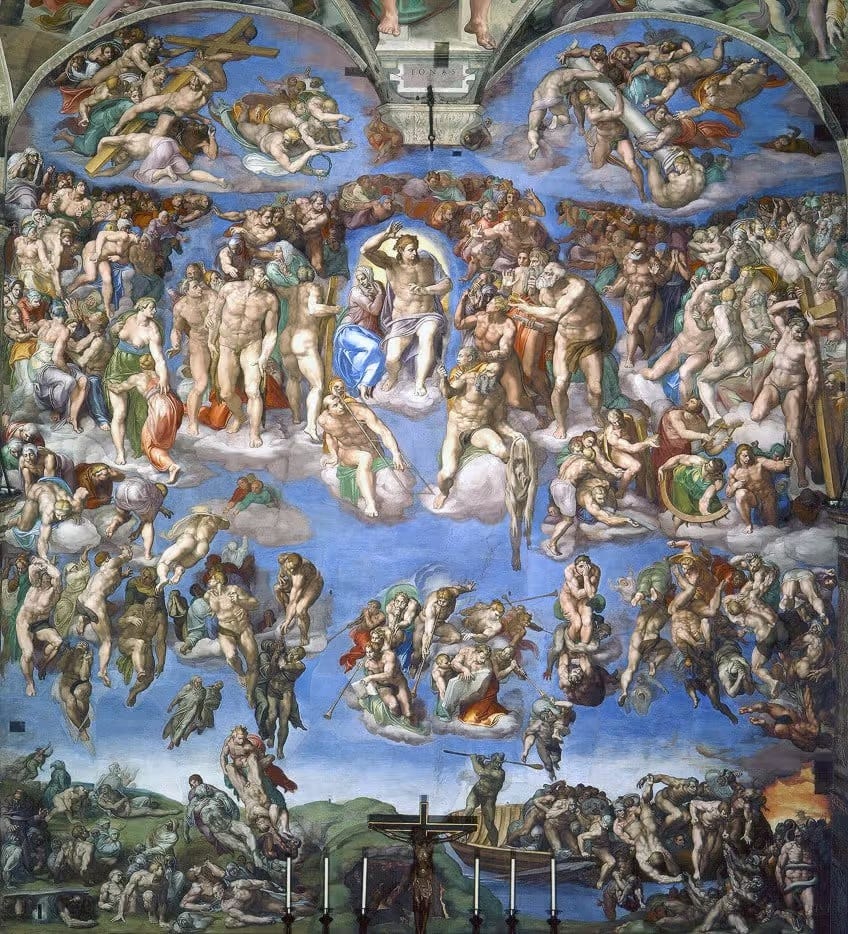
For most of the ancient period and the Middle Ages, creativity was reserved for the divine or associated with nature. It was only during the Renaissance Age that creativity took a transformative definition.
Still drawing from Greek and Roman ideals, the Renaissance highlighted the “rebirth” of classical knowledge and values. But instead of focusing on the divine, this period celebrated the “Renaissance man” — a gifted person skilled in multiple disciplines.
Finally, this era recognized artists, writers, and thinkers as unique individuals with extraordinary abilities, a dramatic shift from the collective or anonymous creativity of the previous periods.
At the time, creatives were considered “geniuses” or highly talented individuals who could weave art, science, and technology into groundbreaking innovation. We see this embodied in the works of Leonardo da Vinci, Michelangelo, Donatello, and Raphael (names you might recognize from the Ninja Turtles).
Moreover, the invention of the printing press not only fueled the Renaissance but also ushered in the Reformation, Enlightenment, and Scientific Revolution.

Creativity for Everyone
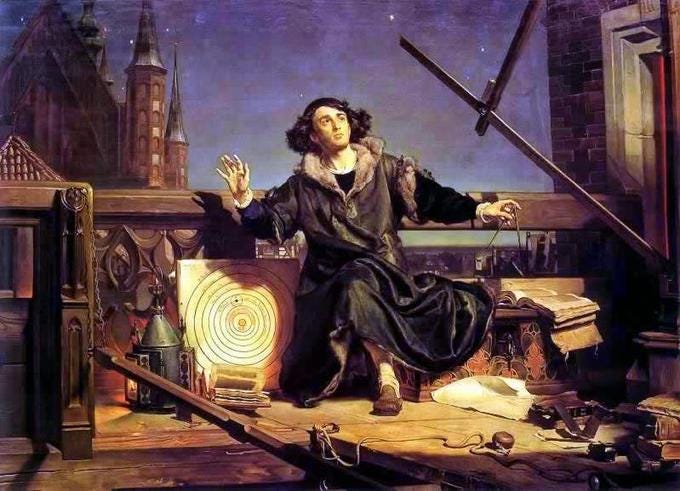
It was in the Enlightenment era that creativity was embraced as an individual pursuit of knowledge and personal expression, which led to the rise of individualism.
This period shifted creativity toward science and philosophy, empowering breakthroughs that transformed trade, agriculture, transportation, and communication. Innovations like John Barber’s early gas turbine (a precursor of modern aviation), Alessandro Volta’s electric pile (the foundation of modern batteries), Edward Jenner’s smallpox vaccine, and James Watt’s steam engine (which powered industrialization) are just a few examples of how human imagination reshaped the modern world.
Then there were thinkers like Isaac Newton, Jean-Jacques Rousseau, John Locke, and Voltaire, who challenged traditional religious and political authority, championing reason, skepticism, and independent thought.
Once a mystical concept, creativity was increasingly regarded as a natural human capacity that drives inquiry and social progress. Works like Encyclopédie, Laws of Motion, and Social Contract Theory, along with the growing emphasis on freedoms of speech, expression, and religion, became defining markers of the Enlightenment that advanced intellectual property, secularism, and scientific thought over dogma.
Creativity Makes Us Human
For many of us, our earliest expressions of creativity might be the doodles scribbled across the walls of our childhood memories, the unintelligible mumblings that turned into shrieky songs, the messy concoctions we proudly called desserts, or the monsters we imagined under our bed when shadows appear. These were early glimpses of the creativity that lives in us long before we learned to define it.
According to psychologist Lev Vygotsky, creativity doesn’t appear all at once. It develops gradually as a higher psychological function shaped by other mental processes. Abilities like memory, perception, abstract thinking, and motivation all work together to form the foundation of our creativity and imagination.
Every stage of our childhood brings its own form of creativity. As we grow older, we begin to distinguish reality from imagination, allowing for symbolic play (i.e., pretending or using imagination to transform everyday objects). Do you remember making a “cake” out of mud or clay?
Even simple, everyday activities, like drawing, singing songs, reading stories, and trying basic experiments, helped us expand our perspective, ask questions, and strengthen problem-solving skills. All of these supported our lifelong creative thinking.
Rather than a rare talent, creativity is an innate human equipment that allows us to express our thoughts, emotions, and ideas in original ways that push our boundaries.
Human creativity fuels progress across art, music, literature, science, and technology, helping us imagine possibilities and create beauty in the world. Beyond innovation, creativity supports our emotional release, curiosity, and personal growth, which encourage the broader society to explore, adapt, and evolve.
If you’re looking to reconnect with your innate creativity, explore my Notion journal template and learning hub — designed to help you clarify your thoughts, capture ideas, and build consistent learning habits that nurture creativity and long-term growth.
The Creator in You
It’s easy to associate creativity with only a few talented people, but in reality, everyone uses it daily. A chef experimenting with flavors, an engineer solving technical problems, a teacher adapting lessons, or a parent finding ways to engage a child are all acts of creativity.
However, as we age, that creativity fades into the background. Systems that reward conformity, expectations that prioritize productivity, and the quiet fear of failure all work together to dim the hope our imagination offers. We begin to believe that creativity belongs solely to artists, musicians, and inventors, while the rest of us settle into consumption rather than creation.
Now that artificial intelligence is slowly taking over our daily lives, human creativity is challenged once again. Machines can now generate images, compose music, and write stories with astonishing speed and precision.
But this also reveals something indispensable: creativity is not merely the production of output, but the presence of intention, emotion, and lived experience. AI can replicate patterns, but it cannot replicate what it means to be human.
Our role, then, is not to compete with machines, but to reclaim what has always been ours. Human creativity lies in our ability to assign meaning, to question, to feel, and to imagine beyond what already exists. Understandably, not everyone reaches the level of masters like Mozart, da Vinci, or Einstein. But it is in the imperfections of handcrafted work, the boldness of unconventional ideas, and the stories molded by personal truth that our creative identity endures.
More importantly, creativity is not just a skill — it is a call. A call to participate and transform the world rather than passively accept it. Today, more than ever, we are equipped to answer that call. With tools, knowledge, and resources readily available, the barrier to creating has never been lower.
To create is to be human. And in a world increasingly influenced by algorithms, choosing to create is an act of resistance, identity, and hope, be it through art, craft, ideas, innovation, or real-world solutions.
The question is no longer whether we are creative. It is whether we are willing to create again.
Did my content inspire you?
Help me stir the next batch of ideas!
Every cup you send fires up my creative cauldron, encouraging me to whip up fresh content that ignites your next personal win. No pressure, just some frosted caramel iced latte appreciation. ☕
New to my Substack? Start here…


